Fixed-tilt ground mounts
Ground-mounted structures holding photovoltaic modules at a fixed project angle.
China Manufacturing Product Profile
Structural mounting systems that support photovoltaic modules in fixed-tilt or tracking installations.
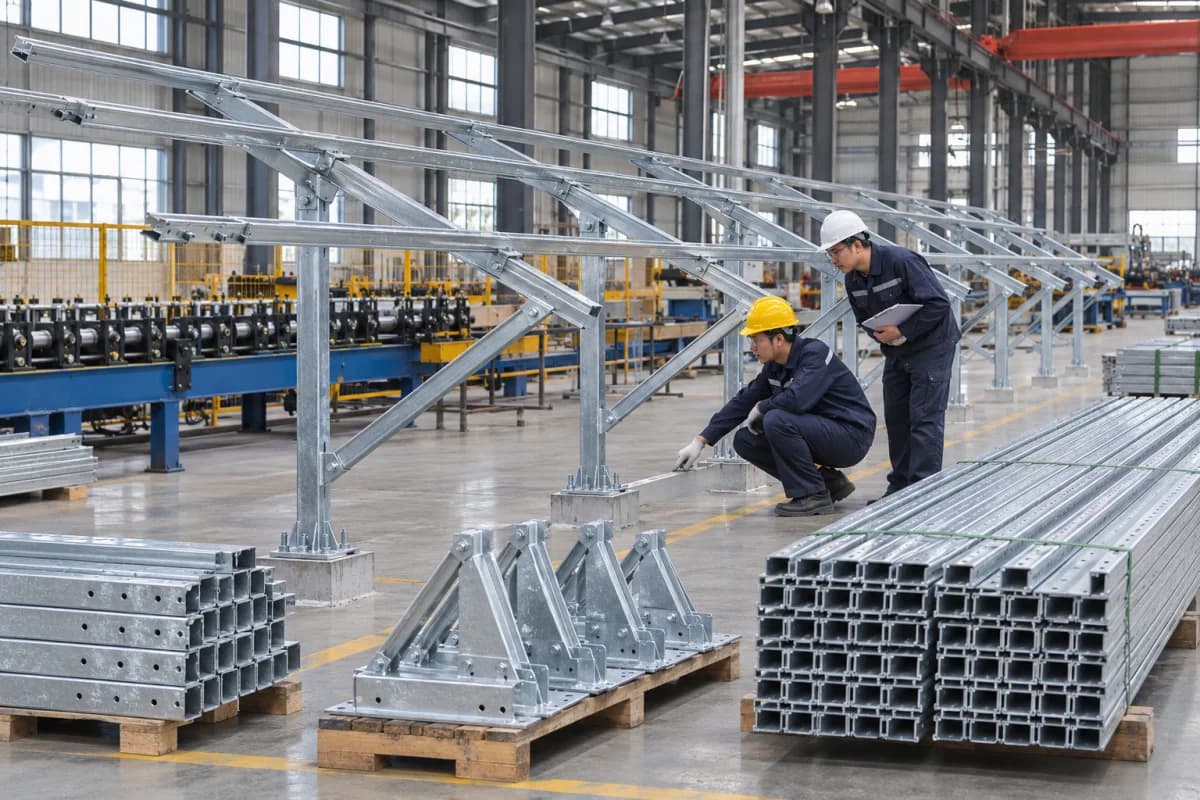
Solar mounting systems transfer module, wind, snow and operational loads into the supporting structure and foundation. Fixed systems hold a defined tilt, while tracking systems change module orientation during operation.
A sourcing specification should connect the project layout and environmental loads with structural materials, corrosion protection, fasteners, tolerances, assembly interfaces and installation documentation.
Ground-mounted structures holding photovoltaic modules at a fixed project angle.
Structures and moving interfaces designed to change module orientation during operation.
Steel posts, beams and brackets protected for outdoor project environments.
Rails, clamps and connection hardware selected around module and structural interfaces.
Structural and application-oriented design support for fixed and tracking photovoltaic mounting systems.
Fabrication of rails, posts, brackets and other metal components used in solar support structures.
Welded assembly and corrosion-protection processes for outdoor structural components.
Public sources from the reviewed manufacturers connected to this product profile.
Tianjin BISON Tech · Reviewed 2026-11-21
Tianjin BISON Tech · Reviewed 2026-11-21
Reviewed CathayFab manufacturer profiles with this product in their published product scope.
Continue exploring products with shared manufacturers, industries or manufacturing capabilities.
Canopy structures that combine sheltered parking with support for photovoltaic modules.
Capabilities: Solar mounting design · Metal fabrication · Welding & galvanizing
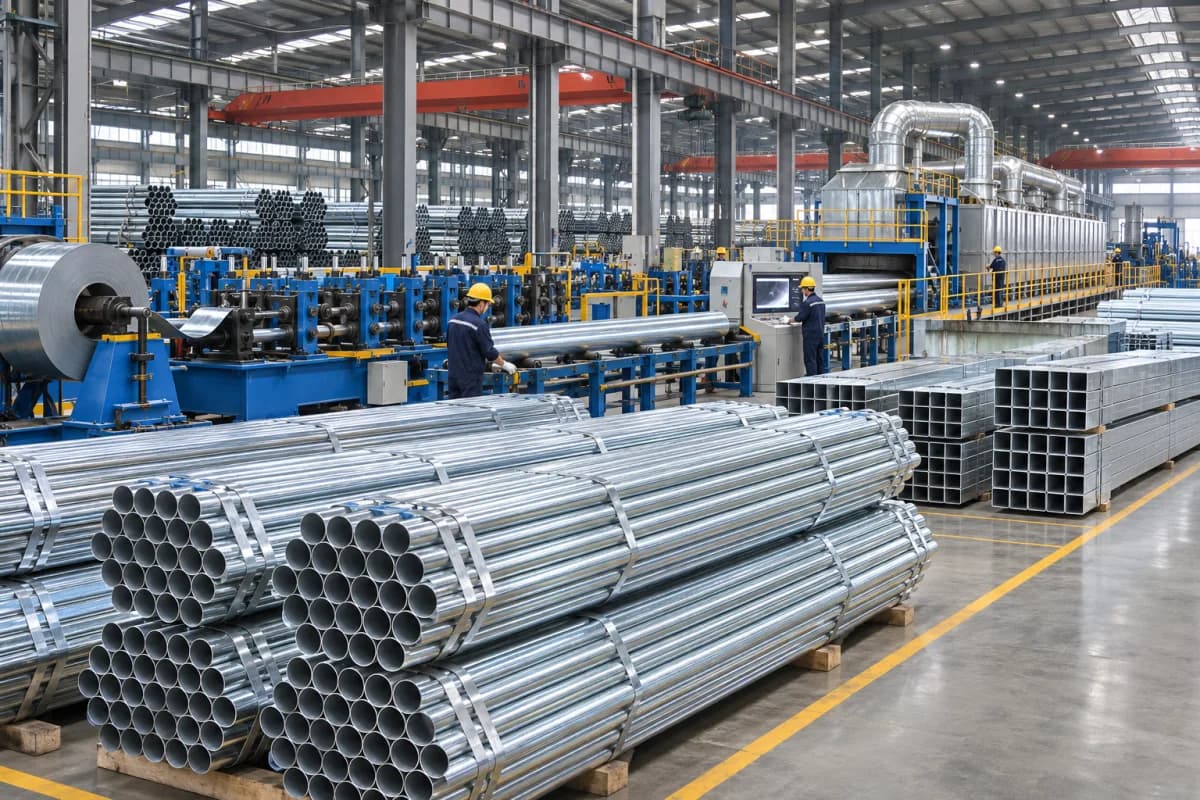
Welded, galvanized, square and rectangular steel pipe products for industrial and construction use.
Capabilities: Welded pipe manufacturing · Hot-dip galvanizing · Quality testing