Powder functional additives
Controlled fine-powder additives prepared for selected material formulations.
China Manufacturing Product Profile
Functional additives used in selected new-energy and battery-material formulations.
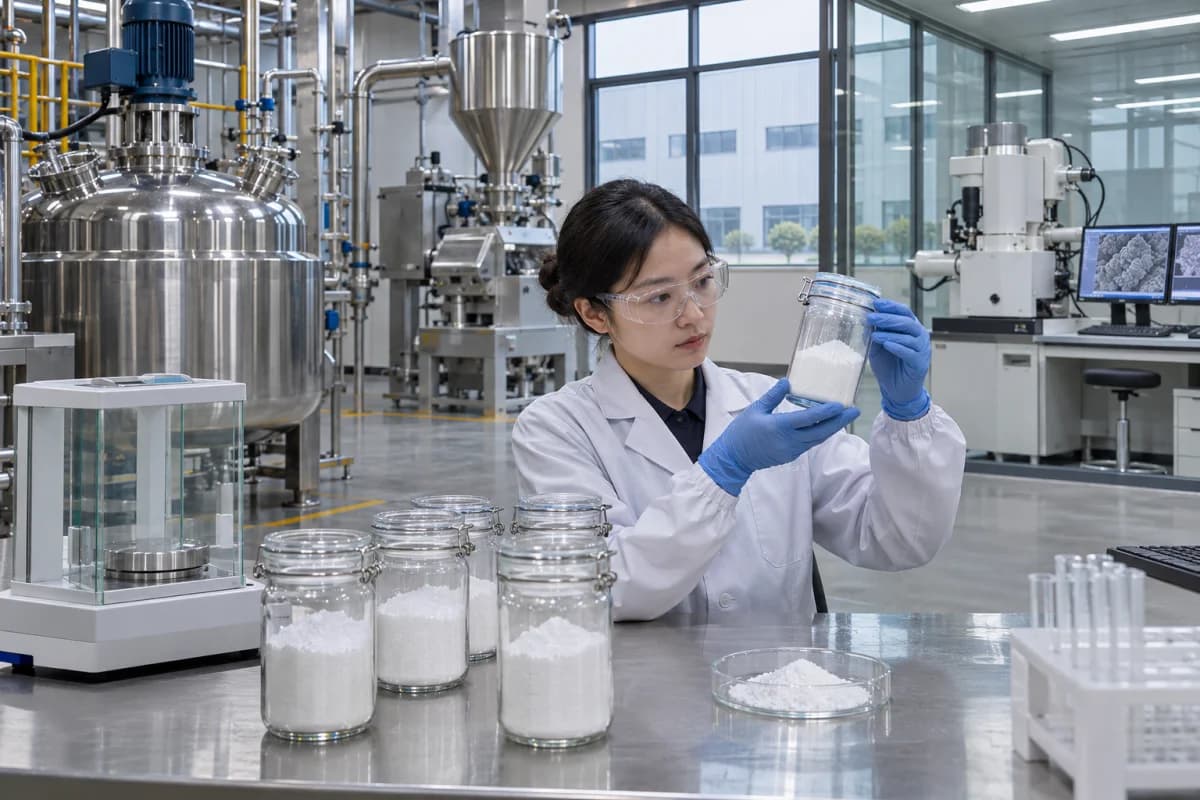
Battery material additives are introduced into selected material formulations to influence processing or targeted material behavior. Their role depends on chemistry, dosage, dispersion and compatibility with the complete formulation.
Product evaluation should therefore use application testing and controlled analytical evidence rather than transferring performance expectations between different battery systems without validation.
Controlled fine-powder additives prepared for selected material formulations.
Additive grades developed around a defined chemistry, process or material objective.
Inorganic material systems selected around the target formulation and process.
Powder materials defined through composition, particle and handling requirements.
Research and formulation activities for high-purity nano oxide and functional material systems.
Controlled production of functional additives for industrial and new-energy material applications.
Laboratory inspection and analysis used to evaluate material composition and performance consistency.
Public sources from the reviewed manufacturers connected to this product profile.
Tianjin Runguangheng Technology · Reviewed 2026-11-21
Tianjin Science and Technology Bureau · Reviewed 2026-11-21
Reviewed CathayFab manufacturer profiles with this product in their published product scope.
Continue exploring products with shared manufacturers, industries or manufacturing capabilities.
Nano-scale oxide materials specified around chemistry, purity and controlled particle characteristics.
Capabilities: Nano-material R&D · Additive production · Material testing
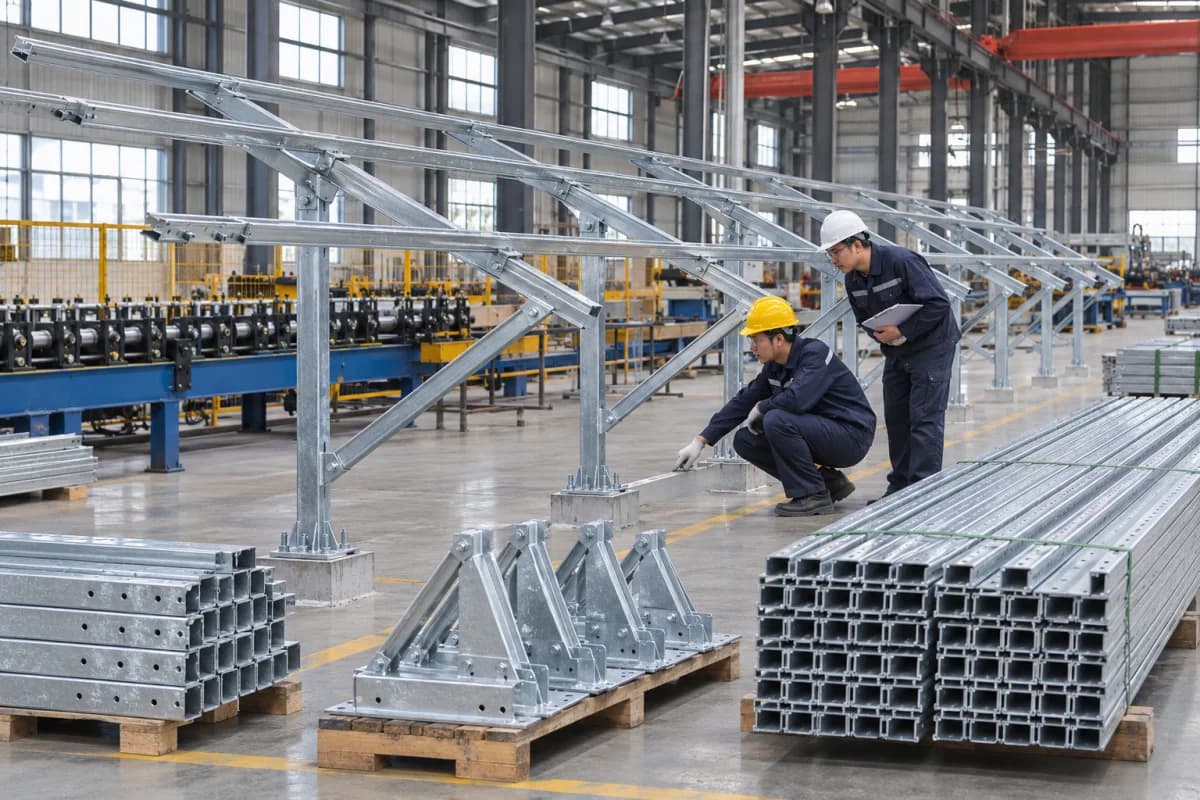
Structural mounting systems that support photovoltaic modules in fixed-tilt or tracking installations.
Capabilities: Solar mounting design · Metal fabrication · Welding & galvanizing